
Education Sector Email Security
Key Benefits of Spambrella Email Protection Services for the Education sector
Comprehensive, Advanced Threat Protection
Protect your students, professors, and staff against all forms of cyberattacks, including modern targeted attacks such as spear phishing and credential attacks as well as traditional threats such as spam and viruses.
Stop advanced threats that are capable of evading even the most sophisticated signature- and reputation-based defenses before they can give attackers and cybercriminals a foothold in your network.
Spambrella provides the industry’s leading Secure Email service to block known threats – and Spambrella Targeted Attack Protection is designed to identify suspicious email messages containing malicious URLs or malicious email attachments before their payloads can be delivered. Spambrella provides an integrated defense against advanced email-borne threats that complements your existing network security controls.
Powerful, transparent email encryption
Provide email encryption that’s transparent to end-users, but backed by a strong policy engine that ensures all sensitive data is protected before it leaves the organization. Spambrella Encryption also makes sure that all encrypted messages are branded to your university’s requirements.
Recipients of Spambrella encrypted emails follow a few simple steps to authenticate and access their messages. No pre-registration or exchange of encryption keys is required to use Spambrella Encryption; ad-hoc email encryption is fully supported.
Automatic Data Loss Prevention
Ensure sensitive information – from research results to health records – is protected from the unauthorized or accidental transmission.
Spambrella can detect sensitive data within a file—even if the file format has been changed. For example, with Spambrella solutions you can detect a simple paragraph from a Microsoft Word document that had been copied into the body of an email, distributed file, or social media post. Spambrella™ can then route the offending communication to IT, HR, or elsewhere appropriately.
Automated, Transparent Policy Enforcement
Ensure that both inbound and outbound email adheres to external regulations and internal policies transparently, without dependence on user action. Spambrella provides multilayered filtering to accurately detect sensitive information within an email or attachment, such as credit card numbers, customer loyalty numbers, and employee records.
Once detected, Spambrella can be configured to warn the user about acceptable use policies, and the user can self-remediate these violations – or administrative or compliance officers can be notified appropriately.
Seamless, policy-driven encryption
Spambrella™ can automatically detect and encrypt communications containing regulated or restricted information of students, professors, and administrators, as well as providing administrators with access to real-time reports and message tracing functionality to monitor the outbound mail stream for a compromised desktop, laptop, or account and giving compliance officers access to data loss incidents through an easy-to-use interface that provides custom reporting.
Compliance and legal discovery in a single-platform archiving solution
Employ the Spambrella email archiving solution with features that help educational institutions address challenges around email storage management, eDiscovery, and regulatory compliance.
Spambrella Archive Key Benefits:
- Industry-leading Security and Privacy
Encrypt all email messages, files, and other content with keys you control through patented DoubleBlind technology. This ensures that no one can access a readable form of your data without your authorized access. - Always Available Storage
Innovative, cloud-based storage infrastructure is comprised of geographically distributed data centers, which ensures that information is available in the event of service disruption to either location. - Search Performance Backed by SLA
Ensure that information is always accessible, whether to address eDiscovery, regulatory inquiry, or Freedom of Information Act (FOIA) request – with self-service accessibility to email, instant messages, social media, and the contents of more than 400 types of attachments—with results presented in seconds.
Email cyber attacks can significantly impact the education sector in various ways:
Data Breaches: Cyber attacks through email can lead to data breaches, compromising sensitive information such as student records, financial data, and intellectual property. This can damage the institution’s reputation and result in legal consequences.
Disruption of Operations: Email attacks like phishing or malware can disrupt normal operations by infecting systems, causing downtime, and hampering communication channels critical for administrative tasks, teaching, and learning.
Financial Loss: Ransomware attacks via email can encrypt important files and demand ransom payments for decryption keys. Educational institutions, often with constrained budgets, may struggle to afford such payments, resulting in financial losses.
Identity Theft: Cybercriminals may use email scams to trick staff or students into providing personal information, which can then be used for identity theft or other fraudulent activities.
Compromised Credentials: Phishing attacks aimed at stealing login credentials can grant unauthorized access to sensitive systems and accounts, allowing attackers to manipulate data, distribute malware, or carry out further attacks.
Intellectual Property Theft: Email attacks targeting faculty or researchers may aim to steal intellectual property, research data, or proprietary information, undermining the institution’s research endeavors and competitive advantage.
Reputation Damage: Successful email attacks can tarnish an institution’s reputation, eroding trust among students, parents, donors, and partners. This can impact enrollment rates, funding opportunities, and collaborative ventures.
Regulatory Compliance Issues: Data breaches resulting from email cyber attacks can lead to non-compliance with regulations such as GDPR or HIPAA, exposing institutions to penalties and legal liabilities.
To mitigate these risks, educational institutions must prioritize cybersecurity measures such as employee training, robust email security protocols, regular system updates, and incident response plans. Collaboration with cybersecurity experts and investment in advanced threat detection technologies are also essential to safeguard sensitive data and maintain operational resilience in the face of evolving cyber threats.
Further Reading

Managed Security Awareness Training
Office 365 Phishing Attacks: Educating Our Attackers
Sandboxing URLs and Attachments
Related
EDU Secure Email
Email Continuity
EDU GoogleApps – DLP
Service Packages
Some Of Our
Favourite Success Stories
We are a new Spambrella partner and we are deploying it to all of our customers using Office 365, Hosted Exchange, and Linux mail hosting customers. The management platform is quick to learn and effective and affordable. Our customers like it much better than previous spam filtering tools.

Latest Blog Posts

Securence Is Shutting Down: What Customers Need to Know — and Where to Go Next
If you rely on Securence for email filtering, hosted Exchange, or continuity services, it’s time to start planning your exit. Securence’s parent company, US Internet (USI), has confirmed…

AiTM Phishing: When MFA Is Not Enough for Microsoft 365
AiTM Phishing: How Attackers Bypass MFA and What You Need to Defend Against It Multi-factor authentication is one of the most widely recommended controls in enterprise security. Most…
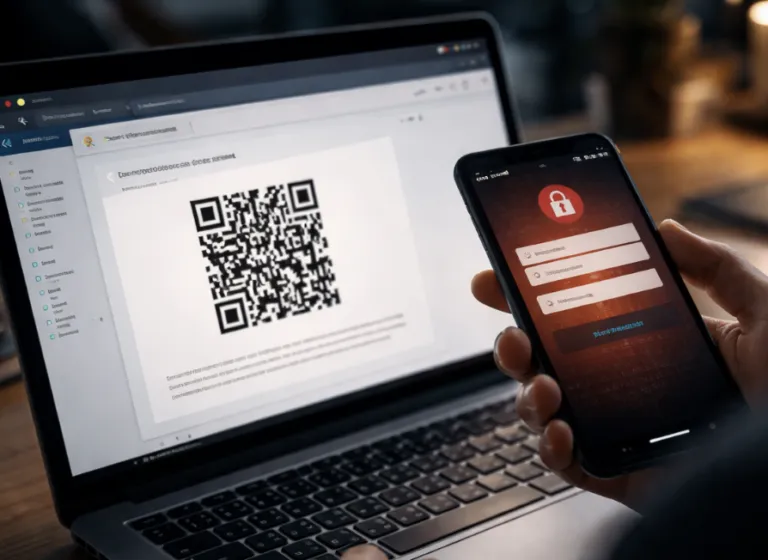
QR Code Phishing (Quishing): How It Bypasses Your Email Filters
There is a version of a phishing email that your gateway almost certainly cannot read. It arrives with a clean sender reputation, no suspicious links in the body,…
Get a quote…